All About Getting a Dental Onlay
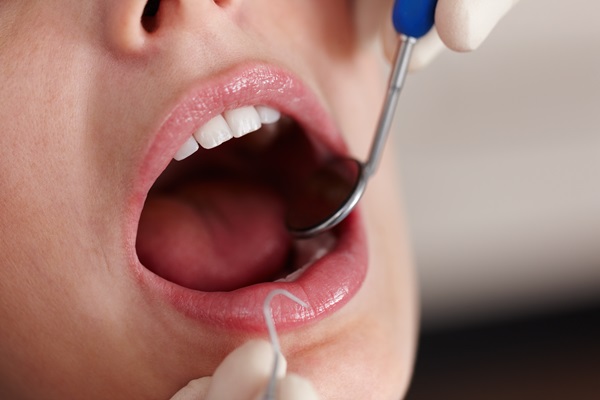
Considering getting a dental onlay? This dental restoration is used to improve the health of teeth that are in bad shape due to an injury, cavity or simple wear and tear. It often gets overlooked among dental restorations because they are not commonly recommended by dentists. A dental onlays nature is similar to that of a dental crown; however, it does not cap an entire tooth. Keep reading to learn more about getting a dental onlay.
Guide to getting a dental onlay
Below is a quick overview of getting a dental onlay, including what is involved and what to expect. This information can be reviewed prior to the procedure so that patients are not presented with any surprises.
What is a dental onlay?
A dental onlay is an indirect restoration used to rebuild, renew and restore teeth that are in bad shape. Onlays cover one or more cusps on molar teeth, which are used primarily for chewing and grinding food. Outlined below are a few reasons why a dental onlay may be needed.
- To cover a crack or chip in a cusp
- Cavity treatment
- Stain covering
- Strengthening measure for teeth weakened by jaw clenching or teeth grinding
The process and procedure
A dental onlay procedure is relatively simple; however, it does involve two separate appointments. Because dental onlays are indirect restorations, the help of a dental lab is required during the process. The first appointment involves an impression taking of the tooth needing the onlay. The impressions are then sent to the lab where they will be used to custom-make a reliable dental onlay.
After a few days of waiting, the patient can return to the dentist's office where the dental onlay will be placed using composite bonding. The dentist will thoroughly clean the tooth and remove any damaged parts. Then, a resin material will be applied to the cusps so that the onlay stays in place. Once placed, the dentist will ensure that the fit is secure and correct.
Life after dental onlay placement
After a dental onlay has been placed, most individuals are able to get back to normal. Full functionality is typically restored, thus making it easier for eating, smiling and speaking to take place. While there is not a lot of special aftercare tips, general dentists do recommend the following:
- Avoid eating hard, tough or sticky foods that could dislodge or damage the dental onlay
- Brush twice a day or after every meal
- Use mouthwash or salt water a few times a week
- Floss daily
- Visit the dentist on a regular basis
Find out more from a general dentist
Getting a dental onlay is a relatively easy process; however, individuals that still have questions should reach out directly to a general dentist to find out more. Concerns can be addressed and any questions can be answered. Give us a call or stop by our office today to get scheduled for an appointment or to learn more.
Are you considering a dental onlay in the Murphy area? Get more information at https://www.valleyriverdental.com.
Check out what others are saying about our services on Yelp: Dental Onlay in Murphy, NC.
Related Posts
A general dentist helps ease new and lasting tooth sensitivity. This dental issue may be rooted in something as simple as brushing the teeth too hard. Alternatively, it may indicate an underlying oral health condition, like gum disease, that needs restorative treatment. Understanding tooth sensitivity, its causes, and how it is treated can inform patients…
Your general dentist can help you achieve good oral health with regular checkups. But sometimes, some issues need extra visits. Knowing these concerns can help you schedule an appointment. Here are the specific concerns that need your general dentist’s attention.An individual may see a strange lesion and call for an appointment about it. The dentist…
A general dentist is one of your first lines of defense against gum disease through preventive treatment. With biannual dental cleanings and professional treatments, a dentist can help you avoid tooth loss and invasive procedures. This professional dental care can give you a leg up in the fight against gum disease and help you maintain…
A high-quality dental implant restoration provides a stable and beautiful way to complete a smile, yet even the most durable materials eventually show signs of daily wear. While the metal post often remains a permanent part of the jaw, the restoration can age, chip, or loosen over several years. Recognizing the warning signs below helps…