What Is a Dental Onlay?
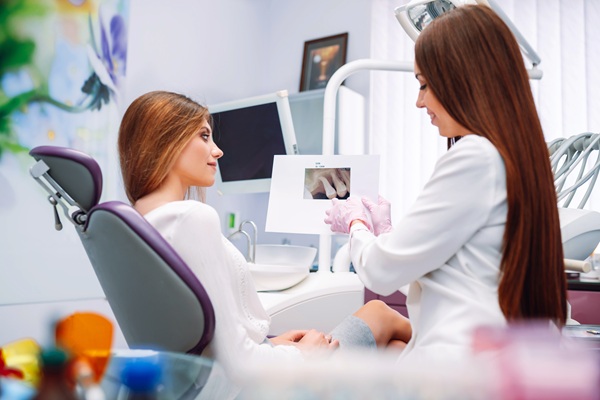
Dental onlays offer patients the chance to renew and rebuild teeth that are in bad shape due to damage or decay. While there are a number of existing dental restorations, onlays often get overlooked because they are rarely recommended. However, they are still an effective dental restoration option to look into and consider for your needs and treatment goals.
What is a dental onlay?
A dental onlay is an indirect restoration that is placed over the cusps of molar teeth. Unlike dental inlays, onlays are used to address more extensive areas of molar teeth, meaning one or more of the cusps can be covered. Like inlays, crowns, and veneers, dental onlays are made in a lab. Once created, they are placed over the tooth using dental bonding.
Dental onlays are made of gold, silver, porcelain, or acrylic materials, all of which are strong and reliable. However, with gold and silver onlays, there is the risk of attention being drawn to the treatment areas in the patient's mouth. Porcelain and acrylic are white in color, which makes them hard to notice, thus allowing for a more natural-looking dental restoration.
How dental onlays work and why they are recommended
Dental onlays are recommended for individuals who have damaged cusps, which can happen as a result of tooth decay, injury, teeth grinding (bruxism), or discoloration. The molars are prone to staining as they interact with food the most. However, they cannot be whitened using products. With dental onlays, the dentist can cover the damaged cusps and permanently hide the stains.
In the case of wear and tear from grinding or eating hard foods, the cusps become severely worn down. This wear can eventually lead to cracking or chipping, both of which can be detrimental to the molar's function and appearance. Dental onlays can cover weak spots on the cusps, restoring and strengthening the entire tooth.
The dental onlay procedure
A dental onlay procedure involves two appointments, with the first requiring the patient to undergo an impression. An impression is necessary for an off-site dental lab to properly create the dental onlay.
Once the onlay is ready, the patient will return to the dentist's office for the placement of the onlay. The dentist will use a bonding solution to attach the onlay to the cusps on the molar tooth. After the onlay is set in place, the dentist will check for any hangover or excess parts that may cause irritation.
Consult with a general dentist
Are you curious to learn more about dental onlays? The Valley River Dental is here to answer any questions you may have about dental onlays and other restoration options. We can evaluate your teeth and determine if this option is right for you. Call our Murphy office to learn more or schedule a consultation.
Request an appointment here: https://www.valleyriverdental.com or call Valley River Dental at (828) 360-9114 for an appointment in our Murphy office.
Check out what others are saying about our services on Yelp: Dental Onlay in Murphy, NC.
Related Posts
Teeth whitening has become one of the most popular cosmetic dental treatments, and many patients choose at-home options because they offer convenience without sacrificing professional oversight. Unlike over-the-counter products, professionally provided whitening systems combine customized treatment with predictable results. A dentist often recommends the right whitening approach based on each patient's goals, oral health, and…
A general dentist offers numerous smile maintenance services to help patients be confident and proud of their smiles. Some treatments require dentists to change the structure of the teeth, such as treating areas of decay, while others focus more on boosting the teeth’s resilience or keeping the gums healthy. No matter how long it has…
A general dentist helps ease new and lasting tooth sensitivity. This dental issue may be rooted in something as simple as brushing the teeth too hard. Alternatively, it may indicate an underlying oral health condition, like gum disease, that needs restorative treatment. Understanding tooth sensitivity, its causes, and how it is treated can inform patients…
Your general dentist can help you achieve good oral health with regular checkups. But sometimes, some issues need extra visits. Knowing these concerns can help you schedule an appointment. Here are the specific concerns that need your general dentist’s attention.An individual may see a strange lesion and call for an appointment about it. The dentist…